-
Q:
How do I select the right connectivity and components for HVAC control systems?
-
A:
Selecting the right components depends on environmental conditions, power requirements, space constraints, and safety standards. Reliable connectors are critical for maintaining power and signal integrity across HVAC sub-systems like compressors, motors, and control units. TE Connectivity supports this with miniaturized, high-performance solutions—like Power and Signal Interconnections (PSI) connectors tested at higher temperature rise (T-rise 60)—along with engineering expertise to help design scalable, future-ready climate systems.
-
Q:
What design considerations are required for HVAC systems operating in harsh environments?
-
A:
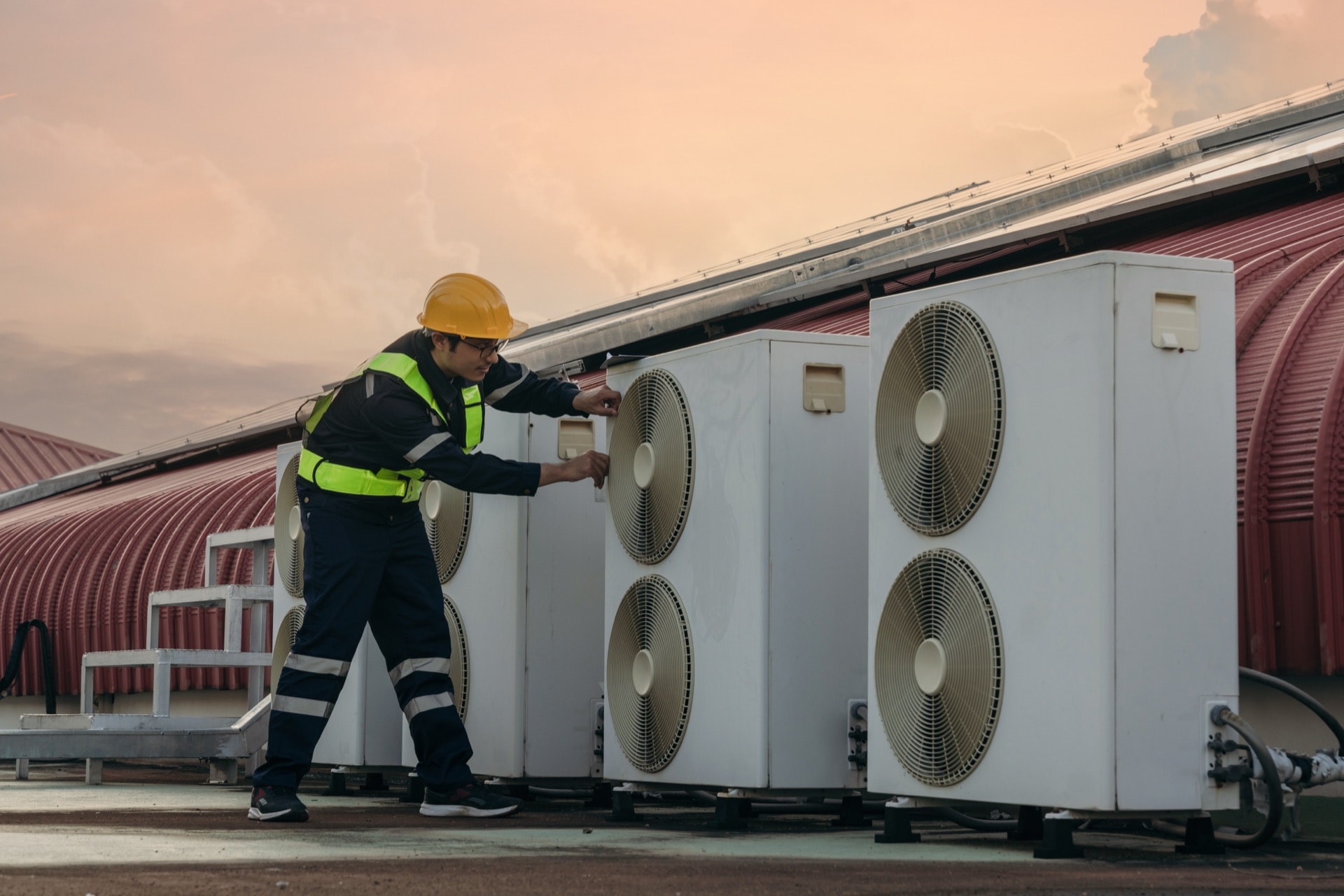
HVAC systems frequently operate under temperature extremes, humidity, dust, and vibration, which can lead to corrosion, material degradation, and system failure. Key design considerations include environmental sealing, material selection, resistance to thermal cycling, and protection against moisture ingress. TE Connectivity supports harsh environment performance with sealed and ruggedized interconnect solutions designed to maintain reliability across critical HVAC sub-systems such as outdoor units, pumps, and valves.
-
Q:
How can I ensure HVAC components meet safety and regulatory standards?
-
A:
Components must meet standards such as UL, IEC, TUV, and CSA depending on the region and application. Testing typically includes flammability, vibration, temperature rise, and ingress protection. TE Connectivity designs and tests solutions to meet global safety requirements, helping ensure compliance across HVAC systems and sub-systems. Please check product specifications for specific part number testing.
-
Q:
How can I ensure reliable sourcing and availability of HVAC components?
-
A:
Reliable sourcing depends on global supply chain support, regional manufacturing, and distribution networks. Reducing part complexity and working with trusted suppliers can also improve availability. TE Connectivity supports sourcing strategies with global manufacturing, local-for-local capabilities, and a wide distribution network to help ensure consistent supply and shorter lead times.
-
Q:
How does connectivity and sensing influence HVAC system energy efficiency and sustainability?
-
A:
Energy efficiency in HVAC systems depends on reducing electrical losses and improving control. Low-resistance interconnects minimize power loss, while sensors enable accurate monitoring of temperature, pressure, and airflow. These capabilities are critical in heat pumps, inverter systems, and building automation. TE Connectivity provides high-performance connectors and sensor solutions that enhance efficiency, extend product lifecycles, and support sustainable system design.
-
Q:
How do connector design and component selection impact HVAC assembly efficiency and system cost?
-
A:
Connector design impacts installation speed, assembly quality, and overall system cost. Features like low insertion force, ergonomic designs, and poka-yoke alignment reduce errors and improve productivity. Integrated solutions and stock keeping unit (SKU) reduction further lower costs. TE Connectivity facilitates design-for-assembly with engineered interconnect solutions that streamline installation across wiring, control systems, and equipment sub-systems while being cost effective.
-
Q:
What role do sensors and connectivity play in HVAC control architecture and system scalability?
-
A:
Sensors enable real-time monitoring of temperature, pressure, humidity, and airflow for HVAC control and diagnostics. As systems evolve toward smart automation, connectivity becomes critical to system architecture. Scalable designs require modular interconnects and support for future upgrades. TE Connectivity supports these requirements with a broad sensor portfolio and reliable connectivity solutions that supports data-driven control and long-term system scalability.