Case Study
The Invisible Architecture of the Electric Future
How performance materials from heat shrink tubing to bio-based polymers are quietly redefining sustainability, safety, and innovation.
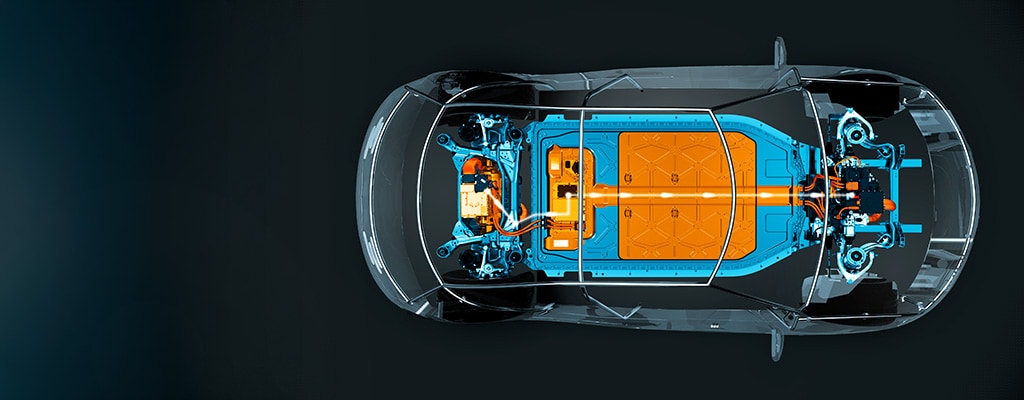
By the time a driver presses the accelerator in an electric vehicle, the most visible decisions have already been made. The battery chemistry, the vehicle design, the digital interface all have been optimised, marketed, and scrutinised.
But the true resilience of that vehicle its ability to withstand heat, vibration, moisture, and time depends on something far less visible: the network of advanced materials that protect and connect everything beneath the surface.
These materials heat shrink tubing, electromagnetic interference shielding, sealing compounds rarely capture headlines. Yet they are becoming central to one of the most consequential industrial transformations of the modern era: the shift toward electrification and sustainable mobility.
What is changing is not just how vehicles are powered, but how they are built from the inside out.
The Hidden Layer of Innovation
In nearly every modern system from electric vehicles to data centres, a vast and intricate infrastructure operates behind the scenes. Electrical systems must be insulated. Connections must be sealed. Signals must be protected from interference. And all of this must function reliably under extreme and variable conditions.
Heat shrink tubing is one example. When applied, it contracts to conform tightly around wires, connectors, and components, creating a protective barrier against environmental threats. It provides electrical insulation, mechanical protection, and environmental sealing, all essential to maintaining system integrity.
What makes this material remarkable is not just its function, but its efficiency. Compared to traditional solutions such as taping or molding, heat shrink tubing can help reduce installation time and improve manufacturing consistency, while also enabling higher temperature performance and improved durability, depending on the specific application and installation method.
This type of incremental innovation small improvements in application time, performance, and reliability rarely makes headlines. But when scaled across millions of vehicles and billions of components, the impact is profound.
A System Under Pressure
The shift toward electrification has placed unprecedented demands on these materials. Electric vehicles operate at higher voltages, generate new thermal profiles, and rely on increasingly complex electronic architectures.
At the same time, industries face mounting pressure to meet sustainability targets. Regulations such as REACH in Europe and RoHS globally are restricting hazardous substances and pushing manufacturers toward cleaner, more responsible materials.
Consumers, too, are changing. There is growing demand for products that not only perform well, but also align with environmental values. Surveys indicate that many are willing to pay a premium for more sustainable solutions, especially in categories like electronics and automotive.
Together, these forces have created a dual challenge: materials must perform at higher levels while contributing to lower environmental impact.
The Limits of Traditional Materials
For decades, polymer-based materials such as PVC and polyolefins have formed the backbone of electrical protection and insulation. But their limitations are becoming increasingly difficult to ignore.
PVC, for example, presents challenges in recycling and may, under certain uncontrolled combustion conditions, generate byproducts that are the subject of ongoing scientific and regulatory review. Polyolefins, while generally presenting a different environmental profile, still contribute to plastic waste and may involve greenhouse gas emissions depending on how they are produced.
These concerns are not merely theoretical. They are shaping policy, influencing procurement decisions, and driving companies to rethink material selection at a fundamental level.
The question is no longer whether materials work but whether they work responsibly.
A Shift at the Molecular Level
bio based polymers
These materials, derived partially or entirely from renewable resources such as sugarcane, corn, or cellulose, represent a fundamental shift in how plastics are produced. Instead of relying exclusively on fossil carbon, they incorporate carbon captured from the atmosphere during plant growth.
This distinction is critical. While traditional plastics contribute to the accumulation of atmospheric carbon, bio based materials can help reduce dependence on fossil resources and support decarbonization efforts across the value chain.
Importantly, bio-based does not necessarily mean biodegradable, a common misconception. The two concepts address different challenges: one targets fossil resource dependence, the other addresses waste management.
What bio-based materials offer is a pathway toward “defossilisation”, a term increasingly used to describe the transition away from fossil carbon inputs in industrial production.
Performance and Sustainability
One of the biggest barriers to the adoption of sustainable materials has long been the perception that they underperform.
In high-stakes environments like automotive systems, reliability is non-negotiable. Materials are designed to withstand extreme temperatures, resist chemicals, and maintain integrity over long lifespans. Recent advances in polymer science have begun to narrow this gap in a number of applications.
Bio-based polyethene used in heat-shrink tubing has demonstrated comparable performance to fossil-based equivalents in specific tested key areas, including:
- Tensile strength and elongation
- Flame retardancy
- Electrical insulation and dielectric properties
- Resistance to hydrocarbons, oils, and weak acids
These materials are tested under extreme conditions, including temperatures as low as –40°C and sustained exposure to heat and mechanical stress. In these environments, they maintain flexibility, structural integrity, and sealing performance.
In practical terms, this means that engineers no longer need to choose between sustainability and performance. They can design for both.
The Broader Ecosystem: More Than Tubing
While heat shrink tubing is a compelling example, it is only one piece of a much larger materials ecosystem.
Electromagnetic interference (EMI) shielding materials protect sensitive electronics from signal disruption, ensuring reliable communication within increasingly electrified systems. Sealing compounds prevent moisture ingress, protecting components from corrosion and failure. Advanced polymers provide thermal management, insulation, and mechanical stability.
Together, these materials form what could be described as the “invisible architecture” of modern systems.
Their importance is growing as systems become more interconnected and more complex. In electric vehicles, for example, wiring harnesses must support higher data transmission, more sensors, and greater integration with digital control systems.
The performance of these materials directly influences vehicle reliability, safety, and lifecycle cost.
Reimagining the Lifecycle
Sustainability is not just about the material itself, but its lifecycle from raw material extraction to end of life.
Traditional plastics follow a largely linear model: extract, produce, use, dispose. Bio-based polymers introduce the possibility of a more circular approach.
During the growth phase of biomass, carbon is absorbed from the atmosphere. When this biomass is converted into polymers, that carbon becomes embedded in the material. Depending on how the material is used, recycled, or disposed of, the overall carbon footprint can be significantly reduced.
Some bio-based polyethene materials even demonstrate a favourable “cradle to gate” carbon footprint, meaning that the net emissions during production can be lower when accounting for carbon absorption during feedstock growth.
This does not eliminate the environmental impact, but it changes the equation, shifting the focus from emissions reduction alone to carbon management and circularity.
The Role of Policy and Industry
The adoption of sustainable materials is being accelerated by a combination of regulatory pressure and industry initiative.
Governments are introducing policies that restrict hazardous substances, mandate recycled content, and incentivise low-carbon materials. At the same time, companies are setting ambitious sustainability targets, often extending across their entire supply chains.
In many industries, sustainability is no longer a peripheral concern. It is becoming a core business objective one that influences product design, supplier selection, and customer engagement. Yet there is still a gap between ambition and execution.
Studies suggest that while engineers tend to prioritise sustainability, some executives do not yet view it as equally critical, citing competing innovation goals.
Bridging this gap requires alignment between engineering and leadership, between strategy and execution, and between short-term performance and long-term impact.
Designing for Sustainability
One of the most important insights emerging from this transition is that sustainability must be built into the design process from the beginning.
A significant proportion of a product’s lifecycle emissions, often estimated at 80 per cent or more, are determined during the design phase. This places a premium on material selection.
Choosing more sustainable polymers, reducing material weight, and optimising product architecture can have a cascading effect across the entire lifecycle, reducing emissions not just in production, but also in use and disposal.
It also requires new tools, data, and collaboration across disciplines. Engineers, materials scientists, and supply chain teams must work together to make informed decisions that balance performance, cost, and environmental impact.
A Competitive Advantage
Beyond compliance and responsibility, sustainability is increasingly becoming a source of competitive advantage.
Companies that innovate in materials can differentiate themselves not only by offering higher performance, but also by helping their customers meet their own sustainability goals.
In automotive, this is particularly significant. Electric vehicle manufacturers are under pressure to reduce the environmental impact of their products across the full lifecycle, including materials sourcing and component manufacturing.
By integrating bio-based polymers and advanced performance materials, suppliers can play a critical role in enabling these outcomes.
In turn, this can influence purchasing decisions, partnerships, and long-term growth.
The Future Is Built From the Inside
The transition to sustainable materials will not happen overnight. It will require continued innovation, investment, and collaboration across industries. But the direction is clear.
The materials that once operated quietly in the background are moving to the forefront of industrial strategy. They are becoming central to how products are designed, how systems perform, and how companies define value.
In the electric vehicles of tomorrow and in the broader infrastructure that supports them, the most important innovations may not be the ones we see. They will be the ones we don’t.
Because in the end, the future of sustainable technology will be built not just on breakthroughs, but on the countless unseen materials that hold everything together safely, reliably, and, increasingly, sustainably.