FIND A SUBJECT MATTER EXPERT BY TREND OR TOPIC
Respiratory Care
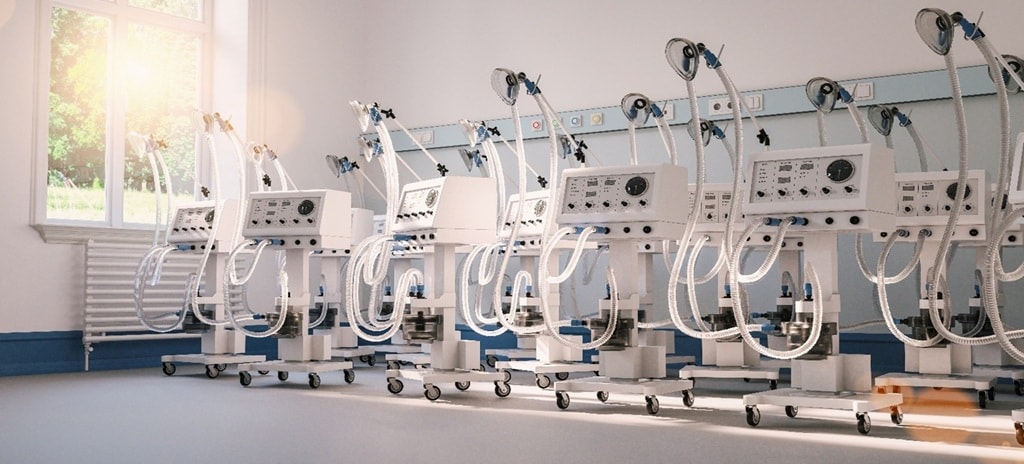
In modern respiratory devices, including anesthesia systems, CPAP machines, invasive and non-invasive ventilators and oxygen concentrators, an important feature is the early detection of the patient's inhalation phase via a flow trigger. This allows the device to assist a spontaneous breath with a preset overpressure, while keeping the patient's respiratory effort to a minimum. The spontaneous breathing effort and entire respiratory activity of the patient is typically monitored by a highly sensitive system of sensors, including pressure, temperature, position, vibration, and CO2 detection sensors to monitor and manage the ventilation system for a smooth, filtered, and efficient transition of air. TE’s subject matter experts work together with medical device manufacturers on respiratory care equipment and are available speak to about the current state of the respiratory care industry and how it is evolving to make people healthier and to have improved medical outcomes.


Contact us
For trade media, to speak with a TE Transportation or Sensors Group expert, please contact:
Deanna McCoy
deanna.mccoy@te.com