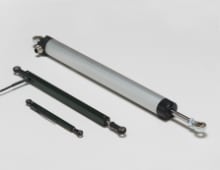
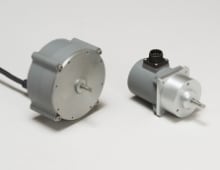
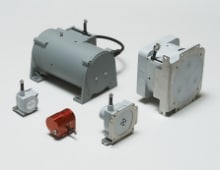
A potentiometer measures the distance or displacement of an object in a linear or rotary motion and converts it into an electrical signal. Potentiometers consist of three terminals, a resistive strip, and a wiper. As the wiper moves through the resistive strip it causes a change in resistance. Depending on the position of the wiper on the resistive strip the potentiometer sends electrical output. The linear potentiometer operates under the same technology concept; the difference is that the wiper slides along a linear element instead of rotating. We manufacture various linear potentiometers, rotary sensors and encoders, and string potentiometers. The depth of our portfolio helps to solve various application challenges, with a variety of customizable variables including measurement range, output signal, and electrical connections.
Features
- High rotational life is one of the hallmarks of the TE manufacturing process. Our potentiometers regularly yields more than 100 million cycles.
- Low noise is achieved through our co-molded element/mating wiper that produces an extremely smooth device. TE offers outstanding output smoothness of 0.1% max.
- Low power consumption is a key benefit for our position sensors and the products requiring sensing feedback.
- Precise linearity is essential in many exacting applications. TE’s ability to achieve an absolute linearity as low as 0.1% make us an excellent supplier for precise position sensing.
- Shock and vibration resistant with among the highest ratings in the industry, TE has earned the reputation as an outstanding supplier for durable, highly reliable position sensors suitable for harsh environments.
- Flush circuit technology to allow low torque.
Capabilities
- Custom wire and cable assembly options
- Variety of gauge wire and lengths
- Variety of terminations and connectors
- Custom mounting plates
- Motors and gears potentiometer packaging
- Hollow shaft options
Applications
Our potentiometer sensors are qualified for various applications and industries. Custom linear and rotary potentiometers are designed for harsh environment aerospace applications including fin actuation, flight controls, and valve position measurement. In medical applications, linear and string potentiometers are relied on to precisely measure position in robotic devices. Industrial OEM equipment also commonly uses potentiometers, from fork lifts, hydraulic lifts, industrial molding equipment, and oil drilling equipment.