Trend Insight
Designing for Avian Vision: A Performance-Based Approach to Power Line Collision Mitigation
Executive Summary
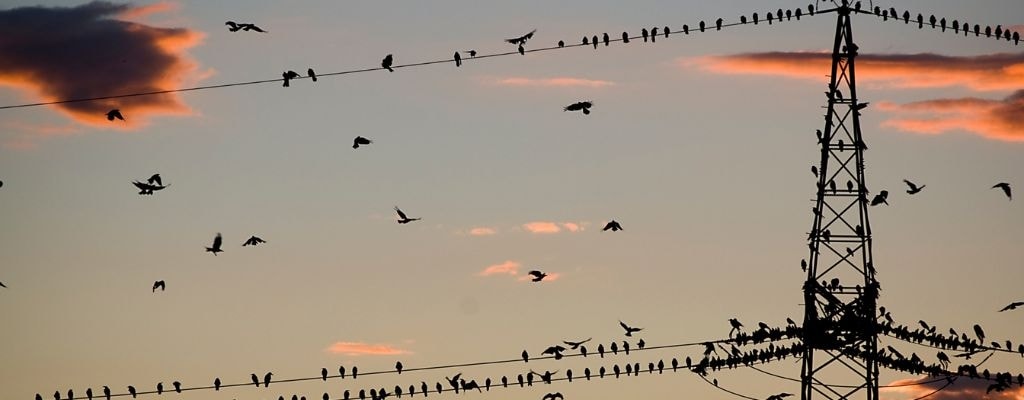
As global grid infrastructure continues to expand, bird collisions are becoming an increasingly significant challenge for utilities and developers. Many traditional diverter designs have historically been based on human visibility rather than how birds actually perceive their environment, which limits their effectiveness. Scientific research shows that factors such as contrast, size, movement, and spacing directly influence how visible diverters are to birds.
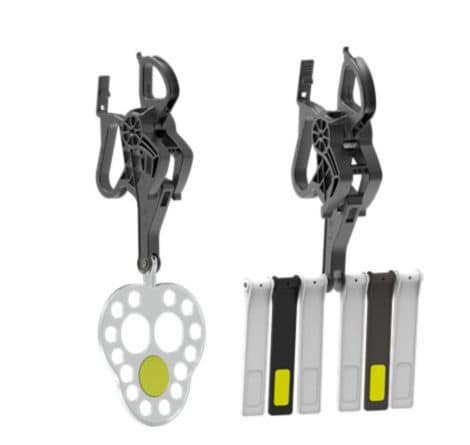
By designing for real-world scenarios, solutions can deliver more consistent protection across a wide range of species and environments. Advanced diverter technologies built on these principles can increase detection distance, helping to reduce collision risk.
Engineering Diverters for Real-World Avian Detection
- Bird collisions are rising alongside global grid expansion
- Traditional diverters were developed based on human vision rather than bird vision
- Contrast, size, movement, and spacing drive real-world effectiveness
- Designing for low-visibility conditions improves protection across species
- Advanced diverters can reduce collisions while lowering installation costs
About the Author

Business Development Manager, Wildlife and Asset Protection
TE Connectivity
David has over a decade of experience in wildfire risk reduction, grid hardening, and wildlife outage prevention, with expertise in solutions such as bird flight diverters and dynamic line rating sensors. He holds a BS in Materials Science and Engineering from Penn State and an MS and PhD in Industrial Engineering from Purdue University.